From Micro-livestock to Macro-Impact: Quail Eggs Can Transform Food Industry
Dr. Amali Alahakoon , Senior Lecturer & Mr. Sisitha Ramachandra - Lecturer- Higher Grade
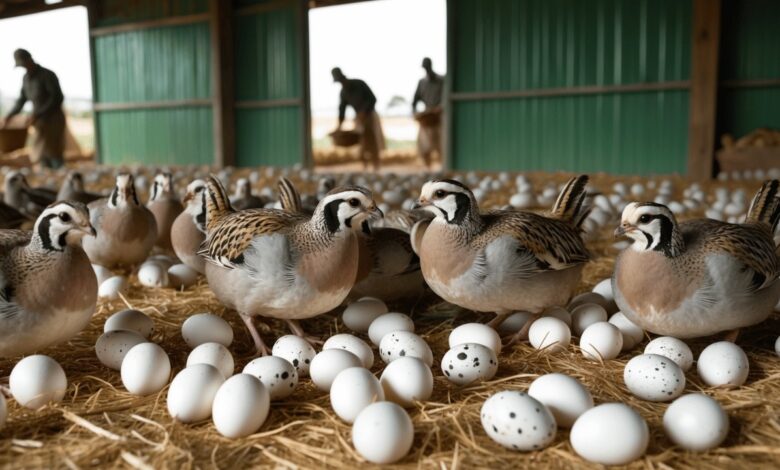
The purpose of this article is to highlight quail eggs as a sustainable and nutritious solution to food security challenges, especially in developing countries like Sri Lanka. Quail eggs are nutritionally superior to most poultry eggs, containing more essential nutrients, minerals, and fatty acids. Their consumption can prevent nutrient deficiencies and diseases. Quail farming is a profitable and sustainable poultry business, characterized by the early maturity of birds, high egg-laying capacity, low feed consumption, and small space requirements. These factors make them ideal for small-scale, backyard farming. To address high production costs and low market demand in Sri Lanka, the article suggests the use of non-conventional local feed ingredients and better marketing strategies to educate consumers about their benefits. The article also highlights ongoing collaborative research to integrate quail farming into sustainable agricultural models.
How quail farming is diversifying poultry
The global production and consumption of poultry products including meat and eggs have consistently increased over the years and are expected to rise to meet the nutritional demand of a rapidly growing human population. Due to its nutritional properties, poultry differs from other kinds of meat, and is recommended for various diets, including those for children, and for medical and geriatric nutrition.
The increased consumption of poultry products is due to their accessibility and affordability as sources of animal protein with low-fat content. The growing demand for animal protein calls for the use of poultry breeds that can convert non-conventional feed into usable protein for human consumption. This increasing demand also necessitates the diversification of the poultry industry, which can be accomplished by rearing fast growing and highly adaptable poultry birds such as quail. Quail is reared for both meat and egg production, and quail eggs are produced and marketed worldwide (Mnisi et al., 2021). However, due to the cost and limited availability in certain countries, quail eggs are still considered a luxury item reserved for people of a higher social class with significant financial resources. Several domesticated species of quail can be identified, including the common quail (Coturnix coturnix) (Figure 1), Japanese quail (Coturnix japonica) (Figure 2), and King quail (Coturnix chinensis) (Figure 3). Both the common quail and the Japanese quail are used for meat and eggs; however Japanese quail is dominant in commercial farming.
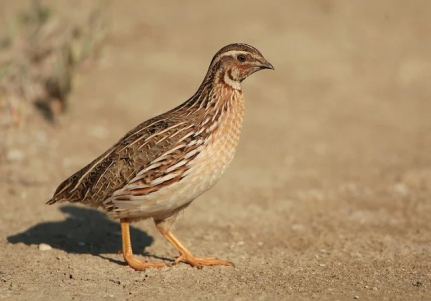
Figure 1. Common quail (Coturnix coturnix)
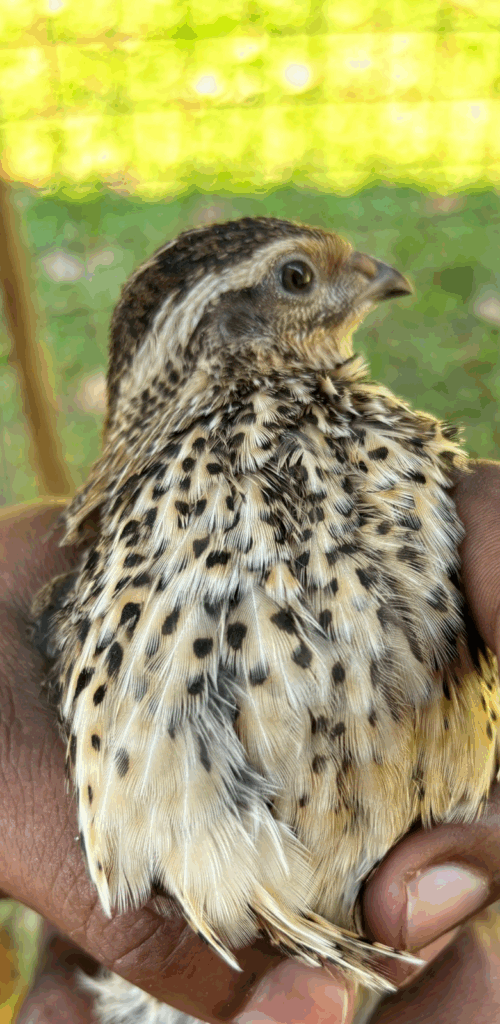
Figure 2. Japanese quail (Coturnix japonica)
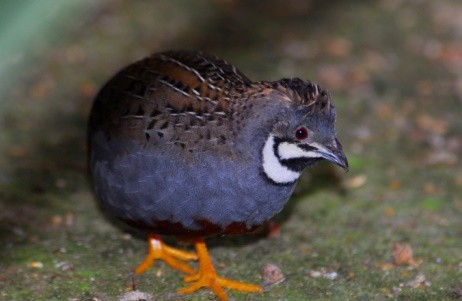
Figure 3. King quail (Coturnix chinensis)
Why quail eggs are a super food
Quail eggs are already known for their nutritional, therapeutic anti-allergic properties (Nepomuceno et al., 2014). The small size quail eggs are four times richer in nutrients than chicken eggs containing more crude protein, crude fat and mineral ash than the eggs of hen, and guinea fowl. Some scientific studies on the characterization of the protein quality of quail eggs have shown the presence of sufficient amounts of essential amino acids such as lysine, valine, and leucine. Quail eggs also contain enough polyunsaturated fatty acids, including omega 3, which are important in preventing cardiovascular diseases. Thus, the consumption of quail eggs helps prevent diseases caused by nutrient deficiency and contributes significantly to community health (Jeke et al., 2018). The intake of quail egg can prevent, relieve, and even cure several diseases including ulcers, bronchial asthma, high blood pressure, cough, obesity, sinusitis, and diabetes.
Compared to the eggs of other poultry species such as chicken, turkey, and guinea fowl, Japanese quail eggs have been shown to contain the highest levels of essential trace elements such as manganese (Mn), iron (Fe), cobalt (Co), and copper (Cu). Researchers have stated that, compared to the hen egg, a quail egg contains 5, 7.5, 6, and 15 times more phosphorus, iron, vitamin B1, and B2, respectively (Mnisi et al., 2021; Nepomuceno et al., 2014). Whole quail egg has also been shown to relieve allergic symptoms induced by food allergies. Quail egg white and yolk together perform anti-allergic activity and can be used as a potentially anti-allergic food in the future (Justin et al., 2021). Quail eggs also promote memory health, increase brain activity, strengthen the immune system, and stabilize the nervous system. These excellent qualities of quail eggs are of interest to many farmers and consumers, and this interest has significantly propelled the gradual proliferation of quail farming to ensure food and nutritional security for all.
As discussed above, quail eggs have a greater nutritional composition advantage over other types of poultry and can play a crucial role in addressing global dietary problems, especially protein shortage in developing countries like Sri Lanka. Quail eggs would be an important source of nutrients in the fight against malnutrition and could significantly contribute to improving the livelihoods of local populations, thus promoting sustainable development. To ensure continuous supply of quail eggs, they should be processed into egg products that are more shelf-stable (Justin et al., 2021).
Quail farming for eggs: low-cost, high-return solution
Quail farming for eggs is gaining popularity, particularly in developing countries, due to its significant role in the economic empowerment of the resource poor, its ability to bridge the protein malnutrition gap, and its compatibility with common farming systems. Researchers have reported that quail farming can help diversify, strengthen, and sustain animal protein production to close the gap between its demands and supply (Kinyua, 2022). Quail farming ranges from subsistence to large-scale commercial operations, and is often more profitable than other poultry subsectors.
Quails have several advantages, such as early maturity, excellent laying capacity, low feed consumption, low floor space requirements, high immunity against diseases, relatively low meat fat content, and a high nutritive and medicinal value of their eggs. These birds have a high return rate with a low cost of investment and high nutritional and market value compared to other poultry industries. As they are small-sized birds, a flock of quails can thus be easily raised within a very small area that might be meant for rearing a single adult chicken. Even 4-5 quails can be raised in the same space required to rear one broiler chicken. As these birds do not require special housing system, it is feasible to raise quails at household level by using empty rooms that are not used at home. They do not need as much food and water as chickens, so they produce less waste, which means fewer greenhouse gas emissions and a smaller carbon footprint. Moreover, compared to other domestic bird and large farm animals, the management practices for quails are easy (Jansson et al., 2025). Therefore, quail farming can be considered as a profitable business that low-income people of Sri Lanka can start.
Many domesticated quail breeds reach maturity at six to eight weeks of age. Quail hens start laying close to 100 eggs per cycle, amounting to about 300 eggs in their first year of life under proper management. About 50% of quails are expected to be productive between 42 and 45 days. They attain an average market weight of 250 g at 6 weeks of age and can lay up to 300 eggs per year, making them a highly productive egg layer for human consumption. This is desirable, as famers do not have to wait for longer periods before selling their products. Quail farming can provide a livelihood for emerging farmers in low- and middle-income countries who are active in increasing domestic poultry production (Bagh et al., 2016; Mnisi et al., 2021).
Challenges and solutions
To ensure sustainable intensification of quails, high feeding costs need to be addressed to reduce the cost of production. The use of less expensive, locally available feed ingredients, such as underutilized legumes, cereals, and tuber crops in Sri Lanka, would reduce the over-reliance on major ingredients such as soybean, and maize, which constitutes the largest proportion of conventional poultry diets. Their use would also reduce competition for maize grain between animals and humans, thus reducing feed-food competition and the pressure faced by maize producers (Mnisi et al., 2023).
Quail sales are disadvantaged by the low popularity and demand for the birds (Mnisi et al., 2021), which continue to limit the presence of quail eggs and their products in the Sri Lankan market. Efforts should be made to overcome these challenges by using nutritional solutions and marketing strategies that would promote a sustainable and profitable quail farming business. Quail egg producers should be aware that there are consumers in many communities who still refrain from egg consumption due to perceived high cholesterol content, which is associated with coronary heart diseases. For this group, farmers, through extension officers, will have to double their efforts to educate the public about the potential benefits of quail products, especially for those who are still skeptical about consuming quail eggs.
A collaborative research team from the Faculty of Technology at the University of Sri Jayewardenepura and SLTC Campus is conducting extensive research on quail farming. Our work focuses on enhancing quail egg quality by investigating how different feed types affect their nutritional properties. The team aims to utilize locally available and non-conventional feed resources to reduce production costs and improve egg composition. An additional research initiative is currently underway to develop integrated farming strategies using quail farming with aquaculture, and crop cultivation. This initiative is designed to create more efficient and environmentally friendly farming systems to boost food security and economic empowerment in Sri Lanka.
Reference:
Bagh, J., Panigrahi, B., Panda, N., Pradhan, C,R,, Mallik, B.K., Majhi, B. & Rout, S.S. 2016 Body weight, egg production, and egg quality traits of gray, brown, and white varieties of Japanese quail (Coturnix coturnix japonica) in coastal climatic condition of Odisha. Veterinary World, 9(8), 832-836.
Ekpo Kotchikpa Justin, E.K., Joseph, D.A., Jean, G., Germain, O.E., Joseph, D. & Simplice, K.D. 2021 ‘Quail (Coturnix japonica) eggs composition, properties and processing for preservation: A review’. International Journal of Agronomy and Agricultural Research (IJAAR), 19(5), 60-73.
Jansson, D.S., Hedman, F.L., Yngvesson, J., Keeling, L. & Henriksen, R. 2025 ‘A critical review on the welfare of Japanese quail in cage-free housing: Current knowledge and future perspectives’. Poultry Science, 104(8), 105263,
Jeke A., Phiri C., Chitindingu K. & Taru P. 2018 ‘Nutritional compositions of Japanese quail (Coturnix coturnix japonica) breed lines raised on a basal poultry ration under farm conditions in Ruwa, Zimbabwe’. Cogent Food & Agriculture, 4(1), 1473009.
Kinyua, M. 2022 ‘Factors influencing Quail Farming: A critical literature review’. Animal Health Journal, 3(1), 38-53.
Mnisi C.M., Marareni M., Manyeula F. & Madibana M.J. 2021 ‘A way forward for the South African quail sector as a potential contributor to food and nutrition security following the aftermath of COVID-19: a review’. Agriculture and Food Security, 10(1), 48.
Mnisi, C.M., Oyeagu, C.E., Akuru, E.A., Ruzvidzo, O. & Lewu, F.B. 2023 ‘Sorghum, millet and cassava as alternative dietary energy sources for sustainable quail production – A review. Frontiers in Animal Science, 4, doi. 10.3389/fanim.2023.1066388.
Nepomuceno R.C., Watanabe P.H., Freitas E.R., Cruz C.E.B., Peixoto M.S.M. & Sousa M.L. de 2014 ‘Quality of quail eggs at different times of storage’. Ciência Animal Brasileira, 15(4), 409-413.
Authors

Senior Lecturer
Department of Biosystems Technology
Faculty of Technology
University of Sri Jayewardenepura

Lecturer (Higher Grade)
Department of Agricultural Technology
Faculty of Technology
Sri Lanka Technology Campus